A caller who threatens to remove a business listing unless the owner pays is not following Google’s stated rules. Owners and staff can check the listing directly and avoid handing over money or account details.
Eligible sponsors can get up to $6,000 for each qualifying new apprentice. The key limit: the program must support certain critical infrastructure sectors, not just train roofers in general.
A strong search result can still lose the job if nobody owns the handoff to dispatch. Plumbing companies can set a simple response rule and check whether urgent requests reach a real person.
A contractor was permanently barred after investigators found more than 50 homeowners lost a combined $518,000. Service businesses can reduce risk by keeping licenses, contracts, invoices and job updates easy to verify.
Multnomah County says older plumbing and damaged sewer lines can give rodents a way into homes. Pest control companies can use the warning to guide customer calls and explain when an inspection may help.
Clearing a drain may not fix the cause of a slow fixture. Plumbers can check for poor airflow before opening walls or ceilings, while following local code for any air admittance valve.
A license confirms what a technician can legally do, but not how they will treat customers. A clear job offer and a focused screen can help a small shop find people who can do both.
A 2023 survey found cash covered nearly two-thirds of home improvement spending. Contractors can make estimates and payment plans easier to understand, especially when a customer needs essential work but has limited savings.
Recent cases in Canada and the U.K. ended in large fines after a worker died in a roof fall and four workers escaped a roof fire. Owners can use this week to check that fall and hot-work controls are clear, current and ready before crews start.
A quiet storm season can leave roofers with fewer claims. Contractors in a recent industry report found other ways to keep work moving, from adding related services to following up with homeowners.
Many homeowners expect a replacement to cost less than contractors say it does. Clear online price guidance may help bring in more callers and prepare them for the real cost of the work.
A new law replaces local licensing rules with a statewide system. Electrical contractors should check how the change affects their crews, hiring plans and work across town lines.
A Washington roofer died after falling through an unguarded skylight. The state says the company had not identified the hazard or trained workers on it, a reminder that roof safety checks must cover skylights as well as edges.
U.S. asphalt shingle shipments fell 13% in the third quarter, while home improvement spending is expected to grow slowly. Roofing owners can use the signals to protect cash flow and keep repair work moving.
With the federal 25C credit ended, some HVAC customers now rely on utility rebates. Contractors need to check each program’s dates, paperwork, equipment rules and payment lag before promising a rebate or carrying the cost.
Pennsylvania’s attorney general says a plumbing company pushed customers toward costly work they did not need. Owners can use clear findings, written options and calm sales rules to protect customers and their businesses.
Roofing contractors have three ways to add solar work: install it themselves, sell it through a partner, or refer customers. The right choice depends on whether the added work fits their crews and schedule.
A new HVAC survey finds customers are open to practical AI tools, but many still want a person involved in service decisions. Contractors can use automation for routine tasks while keeping clear ways to reach a human.
A closed contractor left one homeowner without a promised maintenance visit or a refund. Service businesses can reduce confusion by making payment, coverage and closure plans clear to customers.
Recent cases in Ohio, North Carolina and Connecticut involve alleged unfinished work, roof damage and unreported workers. Owners can use the cases as a prompt to check how jobs, insurance and payroll are documented.
A roofing company owner says checking airflow can help crews spot problems that a new roof alone will not fix. A clear inspection process can also help explain the work to homeowners.
The federal deduction ends for projects that begin after June 30, 2026. Mechanical and sheet metal contractors may still help clients claim it, but job records and design work can decide who qualifies.
HVACR distributors reported their strongest back-to-back sales growth in four years. The gain may reflect weather as much as demand, so owners should plan capacity without assuming the trend will last.
Florida has the nation’s strongest demand for skilled trades workers, but ranks near the bottom for producing new workers. Owners may need to build skills inside their teams while making it easier for new hires to stay and learn.
A new law will limit private lawsuits over some website tracking claims starting in 2027. Contractors still need to check their tracking tools, privacy notices and consent practices.
Missing parts, extra orders and time spent searching can eat into a contractor’s day. A small, crew-led stock check can help keep jobs moving and costs clear.
HARDI warns that some R-410A units may not meet federal rules. A quick records check can help HVAC contractors avoid equipment they cannot legally use for a full system replacement.
Contractors doing public work in New Jersey will need to show that each journeyman meets a new training or experience standard. Owners have time to prepare, but worker records and subcontractor terms may need attention now.
A lawsuit is opening a window into how one insurer handled roof claims. Roofers can use the case as a reminder to document damage, scope, approvals, and customer costs before work starts.
Wind hits roof corners and edges harder than the center. Roofing contractors should check product ratings, code rules, and warranty terms before they bid or build the perimeter.
New tools can speed up field work, but they can also add mental strain. Owners can protect retention by cutting needless steps, alerts, and app switching.
High borrowing costs are pushing homeowners toward upkeep and smaller jobs. Service owners can adjust estimates, offers, and follow-up plans to meet that demand.
Small service firms face lawsuits and demand letters over tools that may share visitor data. Owners can cut risk by checking tracking tools, privacy terms, and consent pop-ups now.
A Fresno pest control owner says fuel now costs his three-truck company about $800 more each month. Service owners can limit the hit by tightening routes, cutting small costs, and checking whether prices still cover each job.
Karter Otte started out repainting faded parking stalls by hand for extra money in college. Two years later, his striping business did six figures in one summer.
Kato Roofing closed after it could not get required bonding signatures, even as sales and bookings were strong. The lesson for owners is clear: key approvals and backup plans need to be set before a dispute puts jobs at risk.
Alec Calzada wanted to be a cowboy, then a cartoonist. He grew up to be both in a way: riding his own path, drawing worlds on paper, and then building them for real. It all started with the cheesiest photo he'd ever seen.
Two jobsite checks found roof crews working without fall protection and other safety controls. Owners can use the case as a checklist before the next crew climbs a ladder.
More students are choosing hands-on career training. Service business owners can help shape that training and meet workers before they enter the job market.
A California pest control settlement shows how two back-office chores can turn into a large legal problem. Owners should set clear steps for chemical waste and customer records before either item reaches a trash bin.
A crew dispute can turn into a safety emergency fast. Owners need a written plan that tells workers when to leave, who calls police, and where the crew meets.
Insurance delays and disputes can leave a roofer waiting after the work is done. Owners should make clear that the customer owes the bill, even when insurance pays less or pays late.
GoodLeap's new HVAC Lease program helps homeowners and contractors by providing predictable payments and maintenance. This program can strengthen customer relationships and improve service outcomes.
Service businesses are tackling the skilled trades labor shortage with contractor-first training. See how companies like Quality Training Center are closing the gap.
Luke Holle is the owner of Superboy Construction, a Lincoln tile company. He started it with one truck and finished the 763,000-tile Pershing mural this summer.
The free listing that two thirds of your customers see first usually has last year’s hours, three photos, and no services. Here is the short version of fixing it.
In one year, the share of people using AI tools to find a local business went from 6% to 45%. Here is what those tools look at before they say your name.
About two out of three Google searches end on Google. For a service business, that makes the free profile the front door and the website the back office.
Google gets the attention, but iPhones route through Apple Maps, Alexa asks Bing, and the assistants cross-check all of them. A mismatch on any one reads as risk.
97% of people still read reviews. 74% only trust the ones written in the last three months. A five-star average from 2024 is not doing what you think it is.
Most small businesses spend one to ten hours a week on marketing. The ones that spend zero are not saving time. They are borrowing against next month’s calendar.
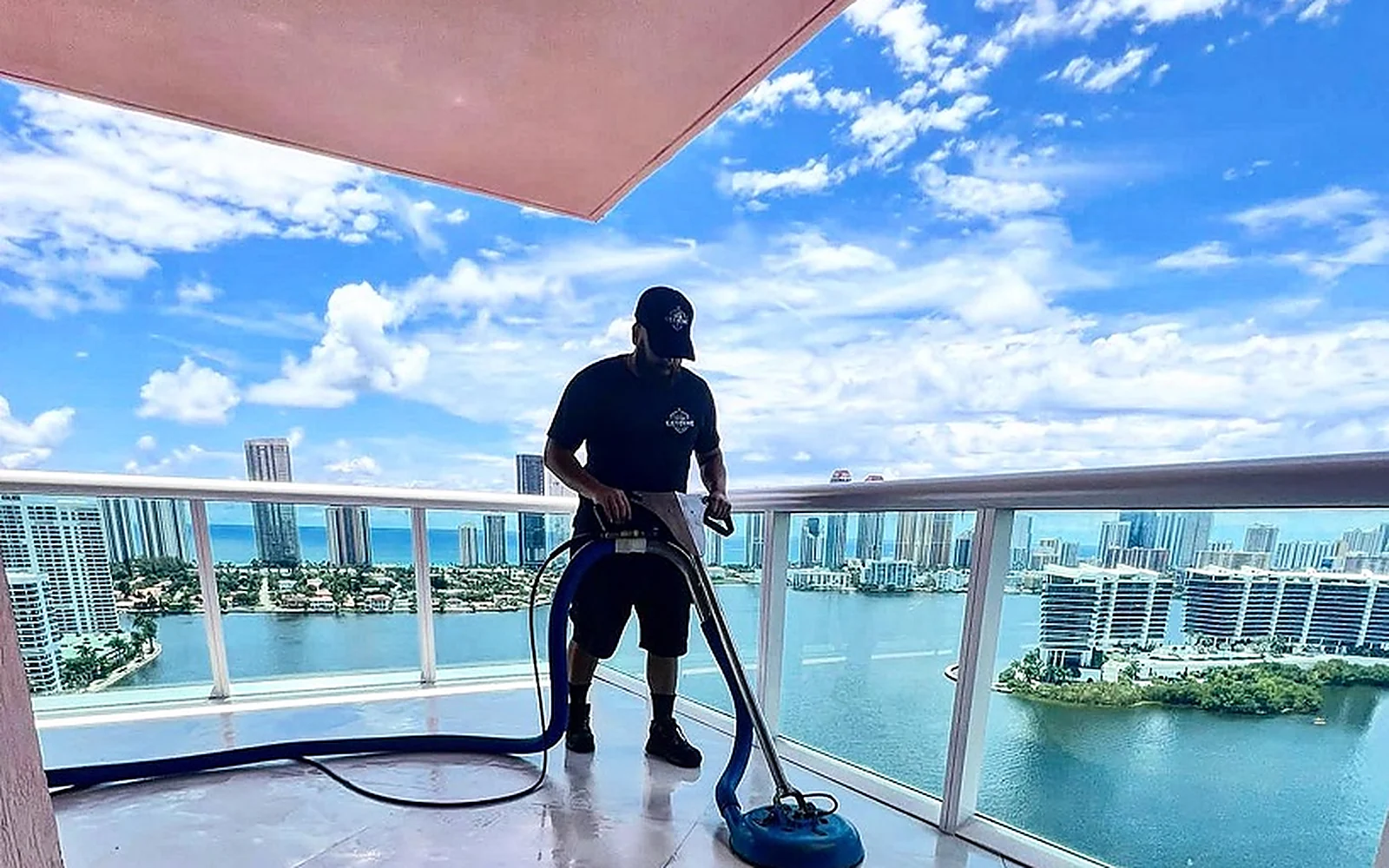
Tony Gomez started Extreme Steam in 2000 with one truck. Twenty-five years later he still runs the wand, his wife Gaby runs the office, and repeat customers still get their free bottle of Spot Out.